Introduction
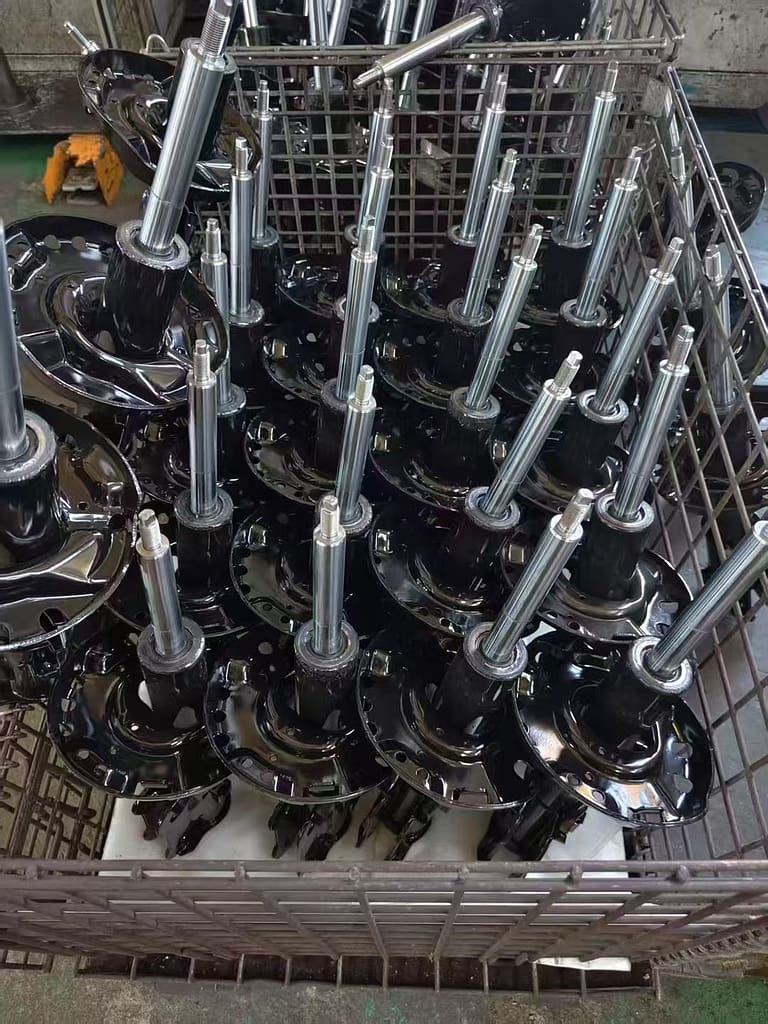
As a specialized shock absorber manufacturing facility with decades of engineering expertise, we frequently address questions about the relationship between shock absorber condition and wheel alignment. Through extensive research, field testing, and analysis of returned components, our technical team has developed comprehensive understanding of how deteriorated shock absorbers directly impact vehicle alignment characteristics.
While shock absorbers don’t directly adjust alignment angles, they play a crucial role in maintaining dynamic alignment stability during vehicle operation. When shock absorbers fail or lose dampening effectiveness, they create conditions that accelerate alignment wear and compromise precision of alignment specifications.
Understanding the Suspension-Alignment Connection
Before examining how bad shocks affect alignment, it’s essential to understand the fundamental relationship between suspension components and alignment geometry. Our manufacturing engineering team designs shock absorbers to work harmoniously with springs, control arms, struts, and steering components to maintain precise wheel positioning.
Wheel alignment refers to the angular relationship between wheels, suspension components, and road surfaces. Primary alignment angles include:
Camber: Inward or outward wheel tilt when viewed from front
Caster: Forward or backward angle of steering axis
Toe: Wheel angles when viewed from above
Thrust angle: Rear axle direction relative to vehicle centerline
Our factory testing demonstrates that properly functioning shock absorbers maintain these alignment angles within manufacturer specifications by controlling wheel movement and preventing excessive suspension component motion.
Primary Ways Bad Shocks Affect Alignment
Dynamic Alignment Variations
Worn shock absorbers create dynamic alignment variations that differ significantly from static alignment measurements. When shock absorbers lose dampening capacity, wheels experience increased vertical movement, causing alignment angles to fluctuate beyond acceptable tolerances during normal driving conditions.
Our engineering analysis shows vehicles with severely worn shocks can experience camber variations of 0.5-1.5 degrees during routine driving, compared to 0.1-0.3 degrees with properly functioning shocks. This variation occurs because worn shocks cannot control vertical wheel motion affecting geometric relationships between suspension components.
These dynamic variations manifest as:
Inconsistent tire contact patches during cornering and braking
Varying load distribution across tire surfaces
Fluctuating steering geometry affecting directional stability
Irregular suspension loading stressing alignment components
Accelerated Suspension Component Wear
Bad shocks significantly accelerate wear on suspension components maintaining alignment settings. Our field studies indicate vehicles with worn shock absorbers experience 40-60% faster wear rates on ball joints, tie rod ends, control arm bushings, and other alignment-critical components.
This accelerated wear involves increased dynamic loading on suspension joints and bushings. When shock absorbers fail to control wheel movement, suspension components experience higher stress cycles and greater amplitude movements than design specifications allow.
Specific affected components include:
Ball joints: Experience increased angular movement and loading cycles
Control arm bushings: Subjected to excessive deflection and wear
Tie rod ends: Encounter increased stress from wheel hop and vibration
Steering rack components: Face additional wear from transmitted vibrations
Tire Contact and Alignment Feedback Loop
Worn shock absorbers create a destructive feedback loop between tire contact irregularities and alignment degradation. As shock dampening decreases, tires lose consistent road contact, leading to uneven wear patterns that further compromise alignment stability.
Our tire analysis laboratory has documented specific wear patterns indicating shock absorber-alignment relationships:
Cupping wear: Indicates vertical wheel bounce affecting dynamic camber
Feathering: Shows toe variation during wheel movement cycles
Shoulder wear: Demonstrates excessive camber variation under load
Center wear: Indicates inadequate load distribution control
Specific Alignment Angle Impacts
Camber Angle Effects
Bad shocks have the most significant impact on dynamic camber stability. Camber angle directly affects tire contact patch and load distribution across tread surfaces. Our testing facility uses high-speed cameras and precision measurement equipment to document how worn shocks affect camber during various driving conditions.
When shock absorbers lose dampening effectiveness, several camber-related issues develop:
Increased camber variation during cornering, affecting tire grip and wear
Excessive camber change during braking and acceleration events
Inconsistent camber angles between left and right wheels
Progressive camber drift as suspension components wear
Our manufacturing data shows vehicles with worn front shocks can experience camber variations exceeding 2 degrees during aggressive cornering, compared to less than 0.5 degrees with functioning dampeners.
Toe Angle Instability
Toe alignment is particularly sensitive to shock absorber condition because worn shocks allow increased wheel hop and vibration affecting steering linkage geometry. Our engineering team has measured significant toe variations in vehicles with defective shock absorbers.
The relationship between bad shocks and toe instability involves:
Wheel hop creating cyclical toe variations
Increased stress on steering linkage components
Steering rack seal wear from transmitted vibrations
Tie rod end wear leading to toe drift
Caster Angle Considerations
While caster angle is less directly affected by shock absorber condition, worn shocks can influence caster through increased stress on control arm bushings and mounting points. Our structural analysis shows that excessive shock loading can cause gradual caster drift through bushing deterioration.
Professional Diagnostic Approaches
Comprehensive Suspension Analysis
Our technical training programs emphasize systematic suspension evaluation considering shock absorber condition alongside alignment measurements. Professional diagnosis requires understanding interactions between these systems rather than treating them as separate components.
Modern diagnostic facilities utilize:
Road force variation testing
Suspension geometry analyzers
Dynamic alignment measurement systems
Electronic diagnostic systems for adaptive suspension components
Load-Sensitive Alignment Testing
Our manufacturing specifications account for how vehicle loading affects both shock absorber performance and alignment geometry. Proper diagnosis must consider these interactions, especially for vehicles experiencing varying load conditions.
Impact on Vehicle Safety and Performance
Steering Response and Control
The combination of worn shock absorbers and alignment variations significantly affects steering response characteristics. Our handling evaluation protocols document how these conditions interact to reduce driver control and feedback quality.
Braking Performance
Poor shock absorber condition combined with alignment issues affects braking performance through reduced tire contact patch stability. Our safety testing demonstrates increased stopping distances and reduced directional control during emergency braking scenarios.
High-Speed Stability
At highway speeds, interaction between shock absorber condition and alignment becomes particularly critical for vehicle stability. Our testing evaluates how these factors combine to affect high-speed handling characteristics.
Manufacturing Quality and Prevention
Precision Manufacturing Standards
Our production facility maintains stringent quality controls ensuring shock absorbers provide consistent performance characteristics supporting proper alignment geometry. Every unit undergoes comprehensive testing including force curve verification and dimensional accuracy validation.
Preventive Maintenance Recommendations
Based on our manufacturing experience and field performance data, we recommend:
Comprehensive suspension and alignment inspection every 12,000-15,000 miles
Simultaneous replacement of related worn components
Post-replacement alignment verification
Regular visual inspection for early wear detection
Environmental Considerations
Harsh driving conditions including salt exposure, extreme temperatures, and rough road surfaces accelerate both shock absorber deterioration and alignment component wear. Our environmental testing protocols help establish appropriate maintenance intervals for various operating conditions.
Professional Repair Guidelines
Integrated System Approach
When replacing worn shock absorbers, professional evaluation should include alignment inspection and related component assessment. Our technical guidelines recommend addressing all related issues simultaneously to prevent premature failure of new components.
Quality Component Selection
Shock absorber replacement must maintain original equipment specifications to preserve designed suspension geometry and alignment characteristics. Our engineering team works closely with vehicle manufacturers ensuring proper fitment and performance compatibility.
Conclusion
The relationship between shock absorber condition and wheel alignment represents a complex interaction significantly affecting vehicle performance, safety, and component longevity. As manufacturing experts in suspension technology, we emphasize that while shock absorbers don’t directly control alignment angles, their condition profoundly influences alignment stability and overall suspension system function.
Worn shock absorbers create cascading effects throughout the suspension system, accelerating wear on alignment-critical components and causing dynamic geometry variations affecting tire wear patterns, handling characteristics, and vehicle safety. Recognizing these relationships enables proactive maintenance approaches that preserve suspension system integrity and optimize vehicle performance.
Professional diagnosis and quality component replacement restore proper suspension function while preventing costly secondary damage. Our commitment to manufacturing excellence ensures replacement shock absorbers provide reliable, long-lasting performance supporting optimal alignment stability and vehicle dynamics.