When you drive over a bump or hole, you do not feel much impact. Your vehicle uses systems to absorber shocks. These systems to absorber shocks help your car handle rough roads. They lower vibrations and jolts, ensuring you stay comfortable and safe as the car remains steady. Good shock absorption is crucial for better control of your car, especially when you turn or stop quickly. Every time you ride, these parts work together, contributing to a smoother and safer trip.
Key Takeaways
-
Shock absorbers and springs work together. They help take in bumps. This makes your ride smoother. It also helps you control your car better.
-
You should check your suspension system often. This can stop problems like bouncing. It also helps you not lose control. This keeps you safe when you drive.
-
There are different shock absorbers. Twin-tube and monotube types are common. Each type has its own good points. They help with comfort and how your car performs. You can pick what fits your driving best.
-
Coilover kits let you change your car’s height. You can also make your car stiffer or softer. This helps your car handle better in different places.
-
Taking care of your shock-absorbing systems is important. It makes your ride nicer. It also helps your tires and car last longer.
Systems to Absorber Shocks: Key Components

When your car goes over bumps, many parts work together. These systems to absorber shocks use special mechanical parts. They help keep your ride smooth and safe. Each part has its own job. They make sure your car stays steady and comfortable.
Shock Absorbers (Dampers)
Shock absorbers are also called dampers. They help control how your car’s suspension moves. When your wheels hit a bump, the springs squeeze and then stretch out. Shock absorbers slow down this movement. They use hydraulic fluid to change motion into heat. The heat leaves the system. This keeps your tires touching the road. It also stops your car from bouncing too much.
Tip: If your car bounces after a bump, check your shock absorbers.
Here is how shock absorbers work:
|
Mechanism |
Description |
|---|---|
|
Kinetic Energy Conversion |
|
|
Hydraulic Fluid Movement |
Fluid goes through small holes in a piston. This slows the suspension. |
|
Heat Dissipation |
The heat leaves, so the ride stays smooth. |
Shock absorbers are very important in systems to absorber shocks. They help you stay in control. This is true when you drive on rough roads.
Springs and Struts
Springs are another big part of the system. Most cars have coil springs or leaf springs. Springs store energy when they get squeezed. They take in the force from bumps. They help your car go back to normal. This makes your ride more comfortable.
Struts do two jobs. They are both a shock absorber and a spring. Struts hold up your car’s weight. They also help control movement. Struts are stronger than regular shock absorbers. They can handle bigger loads and forces. Many new cars use struts. They save space and make the car stronger.
Here is a comparison between struts and shock absorbers:
|
Feature |
Struts |
Shock Absorbers |
|---|---|---|
|
Structure |
Part of the suspension, more rugged |
Standalone component |
|
Function |
Supports greater loads and forces |
Damps oscillations |
|
Types |
Sealed and repairable units |
Usually not repairable |
Springs and struts work together to absorb shocks. They help keep your car stable. They make your ride smoother and easier to handle.
Coilover Kits
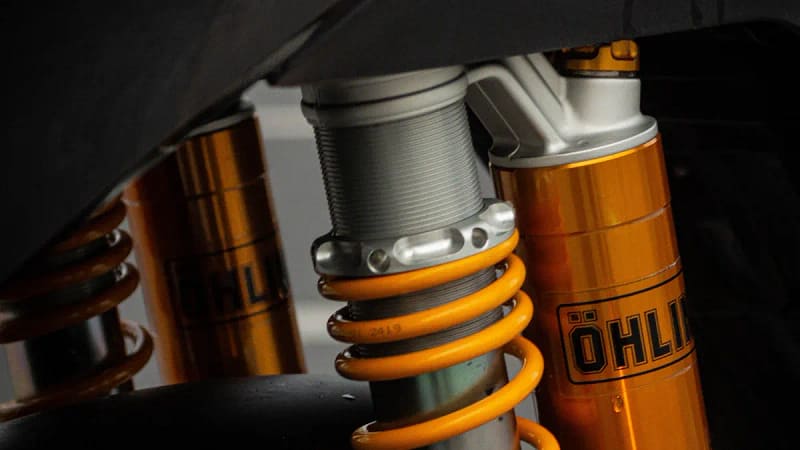
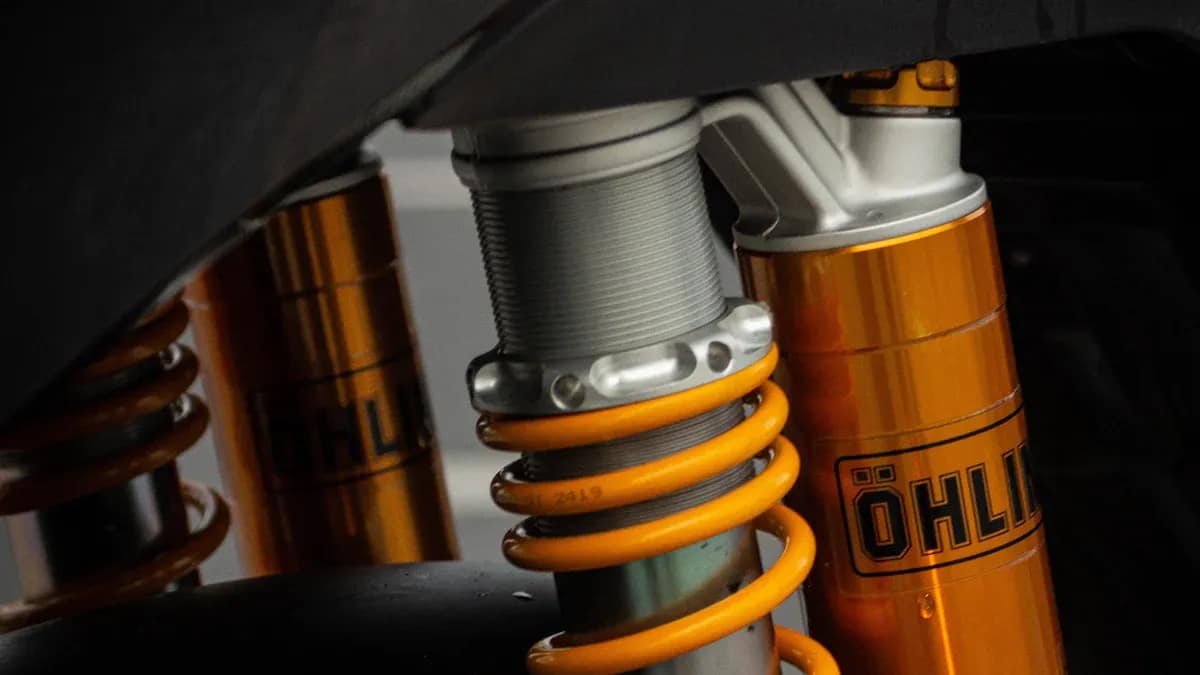
Coilover kits put springs and shock absorbers together. You can adjust coilovers to change your car’s height and stiffness. This lets you set your car for comfort or performance. Many drivers use coilover kits to get better handling or a sportier feel.
-
Coilover kits give you more control over your suspension.
-
You can change the ride height for different roads.
-
These kits help you adjust how your car handles bumps and turns.
Note: Coilover kits are popular in racing and custom cars. They give more options and better performance.
Key Components and Their Roles
Here is a simple table to show how each part works in systems to absorber shocks:
|
Component Type |
Contribution to Performance |
|---|---|
|
Shock Absorbers |
Control how springs bounce back. They keep tires on the road. |
|
Springs (Coil/Leaf) |
Store energy when squeezed. They take in bumps and make rides smoother. |
|
Linkages (Control Arms/Sway Bars) |
Give support and stability. They connect wheels to the car’s frame. |
All these parts must work together for the best results. Shock absorbers, springs, struts, and coilover kits all help systems to absorber shocks. If you keep these parts in good shape, you will have a safer and more comfortable drive.
How Shock-Absorbing Systems Work
To know how your car handles bumps, you need to learn about shock-absorbing systems. These systems use clever designs to keep your ride smooth and safe. You notice their work when you drive over potholes or rough roads. There are two main ways these systems help: energy absorption and motion control.
Energy Absorption
When your car goes over a bump, energy moves from the road into your car. The systems to absorber shocks must deal with this energy so you do not feel every jolt. Springs and shock absorbers work together to take in and manage this energy.
Shock absorbers use hydraulic damping. Inside each shock absorber, a piston moves through oil. The oil is pushed through tiny holes as the piston moves. This slows down the piston and turns the bump’s energy into heat. The heat leaves the system, so your car does not keep bouncing.
Springs are important too. They squeeze when your wheels hit a bump. The springs hold the energy for a short time, then let it go slowly. This helps stop your car from bouncing up and down.
Researchers have found new ways to use this energy. Some new shock absorbers can even turn the energy from bumps into electricity. Here are some examples of these energy absorption mechanisms:
|
Title |
Source |
Year |
DOI |
|---|---|---|---|
|
Energy Regenerative Suspension Using an Algebraic Screw Linkage Mechanism |
IEEE/ASME Trans. Mechatronics |
2014 |
10.1109/TMECH.2013.2277854 |
|
Regenerative Shock Absorber Using a Two-Leg Motion Conversion Mechanism |
IEEE/ASME Trans. Mechatronics |
2015 |
10.1109/TMECH.2015.2395437 |
|
Comparison of Vehicle Vibration Energy Harvesting Abilities |
Appl. Energy |
2020 |
10.1016/j.apenergy.2020.115180 |
|
High-Efficiency Energy Regenerative Shock Absorber |
Energy |
2018 |
10.1016/j.energy.2018.06.152 |
|
Design of Novel Energy-Harvesting Regenerative Shock Absorber |
Sustain. Energy Technol. Assessments |
2021 |
10.1016/j.seta.2021.101565 |
These new ideas help cars save energy that would be lost.
Tip: If your car bounces a lot, the energy absorption part of your suspension might need to be checked.
Motion Control
Energy absorption is just one part. Your car also needs to control how it moves after a bump. This is called motion control. Shock absorbers and springs work together to keep your car steady.
You want your tires to always touch the road. If your car bounces too much, the tires can lose grip. This makes steering and stopping harder. The systems to absorber shocks help stop this from happening.
-
Suspension systems, including shock-absorbing parts, keep your car from shaking too much.
-
They take in shocks from the road, so your car does not bounce a lot.
-
These systems help your tires stay on the road, making your car easier to handle.
Shock absorbers slow down the springs’ movement. They stop your car from bouncing after every bump. This keeps your ride smooth and helps you stay in control. Springs help by bringing your car back to its normal spot after a bump.
Note: Good motion control means your car handles better, is safer to drive, and your tires last longer.
You use these systems every time you drive. They work quietly to keep your car steady and safe. Checking them often helps your systems to absorber shocks work well.
Types of Shock Absorbers

When you look at your car’s suspension, you find different types of shock absorbers. Each type has a special design and purpose. Knowing these types helps you choose the best option for your driving needs.
Twin-Tube Design
Twin-tube shock absorbers use two cylinders. The inner tube holds the piston and hydraulic fluid. The outer tube stores extra fluid. This design gives you a soft and comfortable ride. Twin-tube shocks work well for daily driving and city roads.
Advantages of Twin-Tube Shocks:
-
Smooth ride over small bumps
-
Lower cost than other types
-
Easy to replace
Tip: If you drive mostly on paved roads, twin-tube shocks may suit your car.
Monotube Design
Monotube shock absorbers use one cylinder. The piston moves inside this tube. Gas and oil stay separate, which helps control heat. Monotube shocks respond quickly to changes in the road. You get better handling and performance.
Monotube Shock Features:
-
Stronger cooling for tough conditions
-
Better control at high speeds
-
Used in sports and off-road vehicles
|
Type |
Structure |
Best For |
|---|---|---|
|
Twin-Tube |
Two cylinders |
Comfort, city driving |
|
Monotube |
One cylinder |
Performance, off-road |
Air Shocks
Air shocks use compressed air to adjust your car’s height and firmness. You can change the air pressure to fit your load or road. Air shocks help when you carry heavy items or tow a trailer.
Benefits of Air Shocks:
-
Adjustable ride height
-
Good for heavy loads
-
Smooth ride with extra weight
Note: Air shocks need regular checks for leaks.
Strut Assemblies
Strut assemblies combine a shock absorber and a spring in one unit. Struts support your car’s weight and absorb shocks. Many modern cars use struts because they save space and add strength.
Strut Assembly Highlights:
-
Strong support for the vehicle
-
Compact design
-
Used in front suspension systems
Coilover Kits and Adjustability
Coilover kits mix springs and shock absorbers. You can adjust coilovers for ride height and stiffness. This lets you set your car for comfort or sporty driving. Coilovers work well for racing and custom setups.
Coilover kits give you control over your car’s suspension. You can change settings for different roads or driving styles.
When you pick shock absorbers, think about your driving habits and needs. Each type offers unique benefits for comfort, handling, and safety.
Impact on Comfort and Safety
Ride Quality
You can feel the ride change each time you drive. Systems to absorber shocks help your car move smoothly over rough roads. These systems lower the force from bumps and holes. You feel less shaking in your seat and steering wheel. Your passengers stay comfy, even on long drives. Springs and shock absorbers work together to soften every bump. The suspension takes in most of the shock before it gets to you, so your ride feels smoother.
Here are some ways these systems make your ride better:
-
Lower vibrations from bumpy roads
-
Reduce jolts when you hit bumps
-
Keep the inside quiet and cozy
Tip: If you feel every bump, your suspension might need a check.
Handling and Stability
Handling and stability are important for safety. Systems to absorber shocks keep your tires touching the road. You can steer and stop with more confidence. When you turn, the suspension helps control body roll. You do not sway or lose control. Good shock absorbers help your car react fast to your steering. You stay safer if you need to act quickly.
Look at this table to see how these systems help you drive:
|
Feature |
Benefit to You |
|---|---|
|
Tire Contact |
Better grip and control |
|
Body Control |
Less swaying on sharp turns |
|
Braking |
Shorter stopping distances |
Regular checks keep these systems working right. You should look at your suspension parts for damage or leaks. Change old shock absorbers and springs to keep your ride safe and smooth. A good suspension helps you avoid crashes and keeps your car comfy.
Note: Check your suspension every year or if your ride feels different.
You depend on systems to absorber shocks for comfort and safety. These parts protect you and your passengers from rough roads and quick stops. Take care of your suspension, and you will enjoy every drive.
Shock-absorbing systems help you stay safe and comfortable every time you drive. These parts control how your car handles bumps and vibrations. You get better performance and smoother rides.
-
Shock absorbers keep your tires on the road, which helps you steer and brake safely.
-
They reduce shaking and make driving easier.
-
Regular checks help your car work well and last longer.
Take care of your suspension, and you enjoy safer trips.
FAQ
What happens if you do not replace worn shock absorbers?
You feel more bumps and vibrations. Your car may bounce after hitting potholes. You lose control when turning or stopping. Worn shocks make your ride unsafe and uncomfortable.
How do you know if your suspension needs repair?
You notice strange noises, uneven tire wear, or your car leans to one side. Your steering feels loose. You feel every bump. These signs mean you should check your suspension.
Can you upgrade your car’s shock-absorbing system?
You can upgrade to better shock absorbers, coilover kits, or air shocks. Upgrades improve comfort, handling, and safety. Choose parts that fit your driving style and vehicle type.
Do shock absorbers affect tire life?
Yes, shock absorbers keep your tires on the road. Good shocks prevent uneven tire wear. You save money and drive safer when your suspension works well.
How often should you check your suspension system?
You should check your suspension every year. Inspect it sooner if you notice problems. Regular checks help you catch issues early and keep your car safe.