Meta Description: Discover the expert-revealed secrets on how to get a smoother ride in your car. From understanding your suspension to choosing the right shocks and tires, our factory’s guide provides professional tips for a safer, more comfortable driving experience.
Introduction
At our manufacturing facility, where thousands of suspension components are engineered and produced daily, we are deeply attuned to the science of a smooth ride. The hum of machinery on the floor is a constant reminder that every bolt, bushing, and shock absorber we create plays a pivotal role in a vehicle’s character. A car’s ride is not merely a matter of comfort; it is a complex orchestration of engineering precision. As the source of these critical parts, we often hear the same question from our partners and customers: “How to get a smoother ride in your car?”
The pursuit of a smoother ride is a universal goal for every driver. It’s the feeling of gliding effortlessly over imperfections in the road, the absence of jarring vibrations, and the confidence that your vehicle is stable, controlled, and well-composed. This quality separates a good car from a great one. While aftermarket products promise miracles, the truth is that a truly smooth ride is born from a properly understood and maintained foundation.
As the factory behind these components, we are uniquely positioned to demystify the process. This guide is our way of sharing that expertise. We will move beyond superficial tips and delve into the core systems responsible for your vehicle’s comfort and stability. We will explain the roles of each suspension component, provide actionable maintenance and upgrade advice, and empower you to make informed decisions. By the end of this article, you will have the knowledge to transform your daily commute from a chore into a pleasure, ensuring your car delivers the refined, comfortable ride it was designed to provide.
Core Content
Section 1: Understanding the Symphony of Your Suspension System
Before you can improve your car’s ride, you must first understand the system that governs it. The suspension is a masterpiece of engineering, where each component has a specific and vital role. When one part falters, it disrupts the entire symphony, leading to a rough and unstable ride. Think of it as a high-performance orchestra; the conductor ensures every instrument plays in harmony.
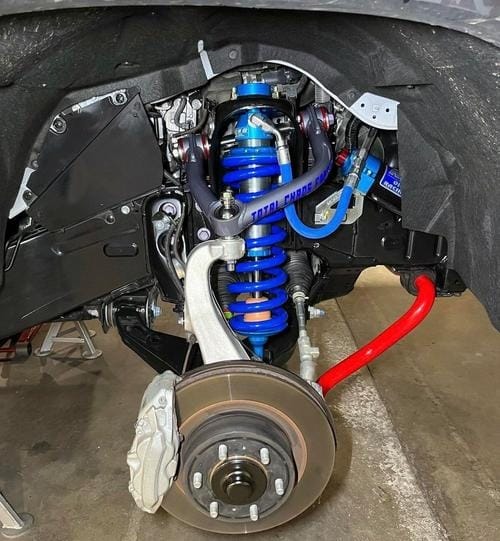
1. The Springs (The Foundation of Support) The most visible part of the suspension, the springs (whether coil, leaf, or torsion bar) serve one primary purpose: to support the vehicle’s weight and absorb the large, initial impact from bumps. They are the workhorses that do the heavy lifting.
- Function: The springs store energy when compressed by a bump and release it to return the wheel to the ground. A soft spring will provide a more pillowy ride but can lead to poor body control, while a stiff spring offers better handling but transmits more road harshness.
- Factory Insight: As manufacturers, we meticulously design spring rates for each vehicle. A heavier SUV requires stiffer springs than a lightweight sports car to maintain proper ride height and control.
2. The Shock Absorbers (The Master of Control) This is the most misunderstood component of the suspension. shock absorbers (or dampers) do not support the car’s weight—that’s the spring’s job. Their only function is to control the rate of suspension movement. They are the brake for the spring’s oscillation.
- Function: When your car hits a bump, the spring compresses. Without a shock, the spring would continue to rebound up and down, causing the car to bounce uncontrollably. The shock absorbers force this movement to slow down and stop, ensuring the tire maintains constant contact with the road.
- The Factory Perspective: A worn-out shock is the single most common cause of a poor ride. When the internal fluid and valves degrade, the shock loses its ability to dampen the spring’s motion. The result is a “bouncy,” “floaty,” or “uncontrolled” feel over bumps, and it significantly compromises braking and cornering stability.
3. The Tires and Wheels (The Final Point of Contact) Your tires are the only part of your car that touches the road, making them a critical factor in ride quality. The right tire can smooth out the road, while the wrong one can make it feel like a washboard.
- Function: The tire acts as a final, cushioning layer between your wheel and the road’s imperfections. Sidewall stiffness and tread pattern have a profound impact on how well this job is done.
- Factory Insight: We design our shocks and struts to work in conjunction with specific tire sizes and types. Installing overly large or low-profile wheels with stiff, performance tires can negate the benefits of a well-engineered suspension, transmitting every bump and road texture directly into the cabin.
Section 2: Actionable Steps to Achieve a Smoother Ride
Now that you understand the “why,” let’s focus on the “how.” Here are the most effective, factory-recommended steps to transform your vehicle’s ride.
Step 1: Prioritize Shock and Strut Replacement If there is one golden rule in suspension maintenance, it is this: Replace your shocks and struts before they are completely shot. Most manufacturers recommend replacement every 50,000 to 80,000 miles (80,000 to 130,000 km). However, if you notice any of the following signs, don’t wait for the recommended interval:
- Nose-dive when you brake.
- Excessive body roll when taking corners.
- Bouncing more than once or twice after hitting a bump.
- Vibrations or a “rocking” sensation at highway speeds.
- Uneven tire wear (a classic symptom of poor damping).
- Visible fluid leaks on the shock body.
When replacing them, consider upgrading to a premium, gas-chased shock absorber from a reputable manufacturer. These units use advanced valving and nitrogen gas to reduce aeration in the hydraulic fluid, providing superior control, a more stable feel, and greater resistance to fade. While they may cost more initially, they offer a significant improvement in both comfort and handling, and they often last longer than standard units.
Step 2: Choose the Right Tires The right tires can do wonders for ride quality.
- Look for “Comfort” or “Touring” Tires: These tires are specifically designed with a focus on ride comfort and low noise. They feature a more flexible sidewall and a specialized tread compound that absorbs road vibrations.
- Check the Sidewall: A tire with a taller, more flexible sidewall (e.g., a 55-series aspect ratio is more comfortable than a 40-series) will generally ride better.
- Maintain Proper Pressure: Under-inflated or over-inflated tires are a primary cause of a harsh ride and poor handling. Check your tire pressure at least once a month when the tires are cold, and always adhere to the pressure recommended by the vehicle manufacturer (found on the driver’s door jamb sticker), not the maximum pressure molded on the tire’s sidewall.
Step 3: Inspect and Replace Suspension Bushings Suspension bushings are the rubber or polyurethane components that act as cushions between moving metal parts. They absorb vibration, isolate road noise, and prevent metal-to-metal contact. Over time, they crack, dry out, and compress, leading to a clunking noise, poor alignment, and a compromised ride.
- Common Culprits: Control arm bushings, sway bar links, and strut mounts are frequent wear points.
- The Factory Solution: Replacing worn rubber bushings with high-quality polyurethane bushings can improve handling and feedback, but they often transmit more road noise and can be less forgiving on rough surfaces. For a focus on pure ride comfort, sticking to high-quality replacement rubber bushings is often the best choice.
Step 4: Perform a Full Wheel Alignment If your car has recently hit a large pothole or curb, or if you’ve just replaced suspension components like control arms or bushings, your alignment is likely off. A proper alignment ensures that your tires are pointed in the correct direction, which is essential for:
- A straight, stable ride at highway speeds.
- Even tire wear (which itself improves comfort).
- Proper handling. An alignment is a relatively inexpensive service that can have a profound impact on the feel and safety of your car.
Section 3: Advanced Upgrades for the Enthusiast
For those looking to take their ride quality to the next level, here are some advanced modifications we, as manufacturers, endorse.
- Upgraded Strut Mounts: The strut mount is the bearing that sits at the top of the strut assembly. Worn mounts can cause a clunking noise when turning and a vague, disconnected steering feel. Replacing them with high-quality, performance-oriented mounts can restore steering precision and improve the overall feel of the front suspension.
- Sway Bars: While primarily a handling component, a thicker, adjustable sway bar can reduce body roll, making the car feel more planted and composed. This planted sensation can be interpreted as a smoother, more stable ride, as the car isn’t leaning and shifting its weight as dramatically through corners.
- Performance Coilovers: For the ultimate in adjustability, a performance coilover system, which integrates a shock absorber with a height-adjustable spring, is the top-tier solution. This allows you to fine-tune the car for your specific preference, whether it’s a comfortable street setup or a firm track configuration. This is an advanced modification best left to experienced professionals.
Conclusion
Achieving a smoother ride in your car is not a matter of chance or luck; it is the result of a combination of knowledge, maintenance, and smart upgrades. By understanding the fundamental roles of your springs, shocks, tires, and bushings, you gain the power to diagnose and address the issues that degrade your driving experience. From our perspective as the factory that creates these components, we cannot overstate the importance of maintaining a healthy, functional suspension.
Your vehicle is a complex machine, and its ride quality is a direct reflection of its condition. Start with the foundational maintenance: inspect and replace worn shocks and struts. Then, support that with the right choice of tires and a precise wheel alignment. For those seeking the ultimate refinement, consider the advanced options available. A smoother ride is more than just a luxury; it’s a key component of safety, control, and the overall enjoyment you get from every single mile behind the wheel.