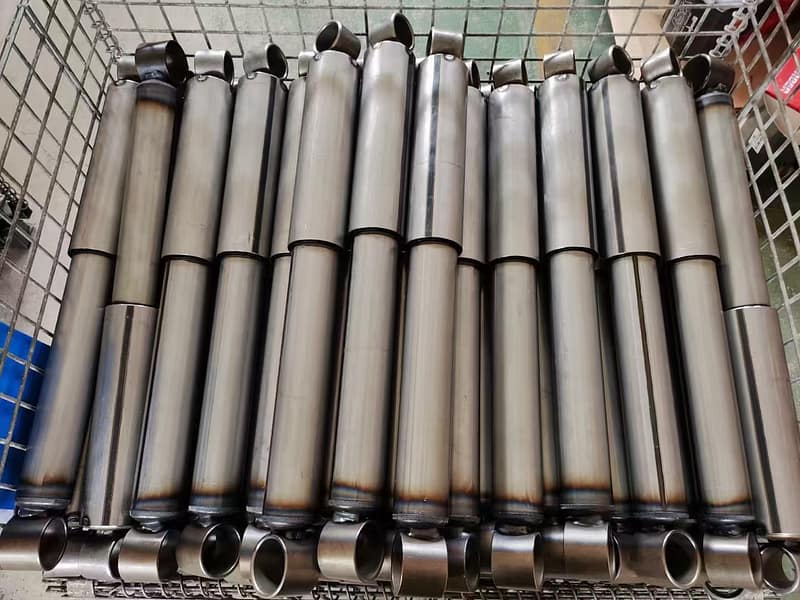
Meta Description: As the factory that designs shocks, we reveal what truly destroys shock absorbers. Learn about the internal and external factors—from heat and contamination to poor road conditions—that cause premature shock and strut failure, and how to prevent it.
Introduction
At our manufacturing facility, we are engaged in a relentless pursuit of perfection. Every day, our engineers and technicians analyze materials, refine fluid dynamics, and stress-test components to push the boundaries of durability and performance. We invest millions in research and development to ensure that a shock absorber leaving our production line is capable of withstanding hundreds of thousands of cycles, punishing road conditions, and intense heat. We build them to last. So, it is a source of both professional frustration and deep curiosity when we see these meticulously engineered components fail long before their design life.
This leads us to one of the most critical questions we face, not just on the assembly line but in the real world: What destroys shock absorbers? Understanding the answer is not just an academic exercise; it is fundamental to helping our customers get the full value and safety benefits from the products we so carefully build. The failure of a shock absorber is rarely a simple case of a manufacturing flaw. While quality is paramount, the vast majority of premature failures are caused by external factors that our components were not designed to withstand.
This guide is your definitive source, written from the factory floor. We will peel back the layers of mystery surrounding shock and strut failure to expose the true culprits. We will move beyond generic advice and dive into the specific engineering mechanisms that lead to internal wear, seal damage, and structural collapse. By arming you with this knowledge—our “secrets” of the trade—you will not only be able to identify the warning signs of a failing shock but, more importantly, understand the preventative measures that can dramatically extend the life of your suspension system. After all, the best shock absorber in the world can be destroyed if its operating environment is hostile.
Core Content
Section 1: The Factory Perspective – Engineering for Resilience, But Not Invincibility
Before we can identify what destroys a shock absorber, we must first understand how it is designed to work. A shock absorber is not a simple spring or a solid rod; it is a highly sophisticated, self-contained, and highly stressed piece of machinery. At its core, its job is to dampen suspension oscillation by converting the kinetic energy of the springs’ movement into heat, which is then dissipated into the atmosphere. This seemingly simple task involves a ballet of high-speed, high-pressure components.
A typical gas-charged shock absorber contains a piston moving through a tube of hydraulic fluid. As the piston moves up and down, it forces fluid through precisely calibrated ports and valves. It is this careful, metered restriction that creates the damping force. The entire assembly is sealed with multiple layers of seals (piston rod seals, main pressure seals, and dust boots) to keep the fluid in and contaminants out. Additionally, pressurized nitrogen gas is often used on the side of the piston opposite the oil to prevent fluid “aeration” (foaming), which would cause the shock to fade under heavy use.
Our engineering teams focus obsessively on:
- Material Science: We use high-strength steel for the rods and housings to prevent bending and corrosion-resistant treatments to ensure longevity.
- Fluid Dynamics: The viscosity and additive package of the hydraulic fluid are engineered for a specific range of temperatures and operating pressures to provide consistent damping.
- Valving Geometry: The shape and size of the valve ports are precisely calculated to deliver the desired ride and handling characteristics.
This advanced design means a modern shock absorber is incredibly resilient, but it is not indestructible. It operates in one of the harshest environments on a car, constantly bombarded by impacts, road debris, extreme temperatures, and intense vibration. What destroys it is a failure to properly manage these environmental factors, leading to a breakdown of one or more of its critical internal or external components.
Section 2: The Unseen Culprits – Internal Wear and Tear and Fluid Breakdown
Some of the most destructive forces on a shock absorber are internal and invisible to the naked eye. These are the silent killers that work over thousands of miles until the component can no longer function.
1. Heat Fade and Fluid Breakdown This is arguably the number one cause of internal shock failure. The damping process works by converting kinetic energy into heat. During demanding conditions like towing, carrying heavy loads, or aggressive driving, this heat can accumulate very quickly. If the shock cannot dissipate this heat fast enough, the internal fluid temperature can soar beyond its design limits.
- What happens: At extreme temperatures, the hydraulic fluid breaks down. Its viscosity changes, its lubricating properties are lost, and its ability to flow through the valve ports diminishes. The valves themselves can begin to deform or malfunction. The result is “shock fade,” a temporary or permanent loss of damping performance where the shock feels “mushy” or ineffective. In the worst-case scenario, the intense heat can cause the fluid to boil, creating gas bubbles within the liquid. This leads to aeration, a condition where the shock compresses and rebounds freely with no damping force, much like a pogo stick. The internal seals are also cooked and lose their elasticity, causing them to leak.
2. Piston Rod Seal Failure The piston rod is the single most dynamic and vulnerable part of a shock absorber. It cycles in and of the shock body millions of times over its life, protected only by a small, highly engineered lip seal and a larger rubber boot.
- Contamination Ingress: The seal is the primary line of defense against dirt, grime, and road salt being forced past the rod. If the seal is nicked, cut, or simply worn down by debris, these contaminants get inside the shock body. The minute abrasive particles in the dirt act like liquid sandpaper, scouring the finely honed surface of the piston rod and the seal itself. This accelerated wear creates scratches and grooves in the rod, and the compromised seal can no longer hold the pressure in, leading to a slow leak or rapid fluid loss. A shock with a leak is a shock that is destroyed.
- Corrosion: The piston rod is typically chrome-plated for hardness and corrosion resistance, but this plating can be chipped by impacts with stones or debris. This exposes the underlying steel to moisture and road salts, causing rust. A rusty rod will tear the seal as it passes through, destroying the shock’s ability to retain its fluid. This is why a leaky shock often starts with rust streaks running down the side of the shock body from the top seal.
Section 3: The External Invaders – Environmental Factors and Physical Abuse
While internal failures are common, a significant number of shock absorbers are destroyed by external factors that they are simply not designed to withstand. As the factory, we build components for a vehicle that is operated within a normal, albeit challenging, set of parameters. Operating outside of those parameters is what destroys them.
1. Overloading and Improper Use Every vehicle and every shock absorber has a specific load rating. This is a hard limit determined by the suspension’s ability to carry weight, the strength of the shock’s internal components (like the rod and gas chamber), and the overall structural integrity of the vehicle. Exceeding this limit by carrying heavy cargo, towing a trailer that is too heavy for the vehicle, or consistently placing a large amount of weight in the cargo area puts immense, constant stress on the shocks.
- What happens: An overloaded shock must operate at its maximum stroke capacity for extended periods. It is constantly “bottoming out,” where the piston rod or the internal bump-stop slams into the end of the shock body. This physical jarring can bend the internal shaft, damage the delicate valve stack, and permanently deform the shock housing. The result is a rapid loss of damping and a high probability of structural failure. This is one of the fastest ways to destroy a shock absorber.
2. Corrosion and Rust Belt Conditions For those living in regions that use de-icing road salts, corrosion is a relentless and destructive force. While we use high-quality protective coatings, the constant assault of saltwater spray is a severe test of any material.
- What happens: The mounting bolts, nuts, and especially the upper eyelet of a shock or the top mount of a strut are highly susceptible. They rust to the point where they can fuse together, making removal and replacement incredibly difficult. More critically, rust can spread to the shock body itself. If rust perforates the main body or a critical mounting point, the shock is structurally compromised. It can leak from a hole in the body or, even worse, snap off at the mounting point. A broken shock mount is a complete failure of the component and renders the vehicle unsafe to drive. This is a primary cause of what destroys shock absorbers in snowy, northern climates.
3. Impact Damage and Road Hazards A shock absorber is located at the absolute bottom of the car, making it vulnerable to impact from road debris like rocks, potholes, and curbs. The impact is often not severe enough to be immediately noticeable but does irreversible damage.
- What happens: A hard impact can bend the shock rod. A slightly bent rod may not be visible to the eye, but it will cause the piston inside to be misaligned. This misalignment will quickly score the inside of the shock body and damage the piston seal, leading to fluid leaks and premature failure. A severe impact can outright puncture the shock body or dent it, creating an irregularity that interferes with the suspension travel or weakens the housing, leading to a future catastrophic failure. Hitting a large pothole is one of the most common ways to physically destroy a shock absorber.
Section 4: Improper Installation – The Silent Assailant of New Components
Ironically, one of the most common ways to destroy a shock absorber is to install a new one incorrectly. As the factory, we design our parts to be installed according to strict procedures. Deviating from these procedures ensures a shortened lifespan or a dangerous failure.
1: Forcing Misaligned Components When installing a new shock, it must be installed with the mounting points in correct alignment. Forcing a shock that is not indexed properly, especially into a rusty or binding mounting point, can put immense torsional stress on the rod and body from the very first moment it is used. This can cause an immediate leak or a premature failure.
- What happens: A seized or misaligned mounting point forces the shock to bend as it cycles. This bending action will rapidly destroy the internal seals and can even snap the rod.
2: Torque Specifications We specify exact torque values for every fastener on a shock or strut assembly. These are not suggestions. Under-torquing a nut or bolt can allow it to vibrate loose over time, eventually leading to a complete loss of the shock. Over-torquing can strip threads, deform the mounting ear, or crack the aluminum upper strut mount, compromising the entire assembly.
Conclusion: Preserving the Performance You Paid For
So, what destroys shock absorbers? As the engineers who build them, we have a clear and complete answer. They are destroyed by a combination of harsh operating conditions—heat overload, physical abuse from impacts and corrosion—that overwhelm their advanced design. They are destroyed by internal contamination that grinds away their precision components, and they are destroyed by simple neglect, such as overloading the vehicle or failing to replace a supporting part like a worn-out bushing.
The best defense against premature shock failure is understanding the enemy. Recognizing the warning signs of excess heat, fluid leaks, and physical damage allows you to address the problem before it leads to a more catastrophic failure. Proper maintenance, like keeping the shock bodies clean, ensuring supporting suspension components (bushings, ball joints) are in good condition, and avoiding overloading are the best preventative measures. Ultimately, by respecting the engineering that goes into your shock absorbers and being mindful of the conditions they face, you can protect your investment, ensure your vehicle’s safety, and enjoy the comfort and performance that was engineered into it from the very start.