Introduction
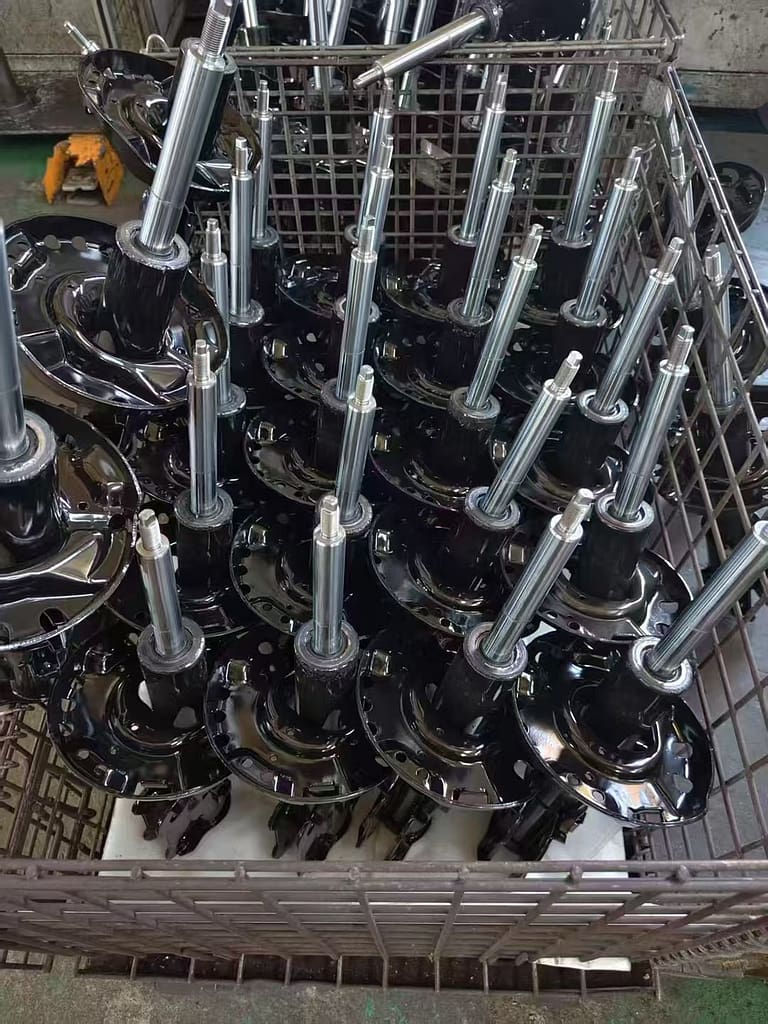
As a leading shock absorber manufacturing company with decades of engineering expertise, we frequently receive inquiries about shock absorber noise problems from automotive professionals and vehicle owners worldwide. Understanding the different types of sounds that failing shock absorbers produce is essential for early detection, preventive maintenance, and ensuring vehicle safety.
Our manufacturing facility has conducted extensive research on shock absorber failure patterns, analyzing thousands of returned units to identify the specific noise signatures associated with different component failures. This comprehensive guide provides professional insights into shock absorber noise diagnosis, helping you recognize warning signs before complete system failure occurs.
Whether you’re experiencing squeaking shock absorbers, rattling suspension noise, or grinding sounds from shocks, this expert analysis will help you understand what these sounds mean and when to take action.
Understanding Shock Absorber Noise: The Engineering Perspective
How Shock Absorbers Create Sound When Failing
From our manufacturing standpoint, properly functioning shock absorbers operate virtually silently. When noise develops, it indicates specific mechanical or hydraulic failures within the precision-engineered components:
Hydraulic System Breakdown: Internal fluid cavitation creates bubbles that collapse under pressure, producing distinctive popping sounds from shock absorbers or crackling noises during suspension movement.
Mechanical Component Wear: Deteriorated bushings, damaged pistons, or worn bearing surfaces generate friction-based sounds including grinding noise from worn shocks and scraping during operation.
Valve System Failure: Compromised internal valves disrupt controlled hydraulic flow, creating hissing sounds from bad shocks or whistling noises during compression and rebound cycles.
Structural Damage: Loose mounting hardware or separated internal components produce impact sounds like knocking noise from shock absorbers and metallic rattling.
Acoustic Frequency Analysis in Shock Absorber Diagnosis
Our laboratory testing categorizes shock absorber noise types into specific frequency ranges:
Low Frequency (20-200 Hz): Structural mounting problems and major internal component failures
Mid Frequency (200-2000 Hz): Bushing wear, valve malfunctions, and general component degradation
High Frequency (2000+ Hz): Seal failure, air contamination, and cavitation issues
Detailed Analysis of Shock Absorber Noise Types
Knocking and Thumping Sounds from Shock Absorbers
Noise Characteristics: Deep, rhythmic thumping noise from bad shocks that synchronizes with suspension movement, especially noticeable when driving over bumps or during vehicle body roll.
Manufacturing Diagnosis: Our quality control analysis reveals that knocking sounds from shock absorbers typically indicate:
Worn Shock Mounting Bushings: Deteriorated rubber or polyurethane bushings create excessive play between mounting points
Internal Piston Damage: Worn piston rod guides allow lateral movement, causing irregular operation
Loose Hardware: Improperly torqued mounting bolts create mechanical play
Hydraulic Fluid Loss: Reduced damping fluid leads to premature bump stop contact
Severity Level: High priority – indicates structural failure requiring immediate attention
Performance Impact: Usually corresponds to 40-60% reduction in damping effectiveness
Squeaking and Squealing Shock Absorber Noises
Sound Description: High-pitched squeaking sounds from shocks that may be continuous or occur during specific suspension movements, often varying with weather conditions.
Technical Analysis: Our extensive testing shows squeaky shock absorber noise commonly results from:
Bushing Deterioration: Dried or contaminated rubber bushings create friction during articulation
Dust Boot Failure: Compromised protective covers allow dirt and moisture intrusion
Piston Rod Corrosion: Surface damage increases friction with internal seals
Inadequate Lubrication: Failed lubrication systems at pivot points
Development Pattern: Typically starts intermittently and becomes more frequent as wear progresses
Diagnostic Value: Early warning sign allowing preventive maintenance
Rattling and Clunking from Failing Shock Absorbers
Acoustic Profile: Metallic rattling sounds from bad shocks that intensify over rough surfaces or during rapid suspension movement.
Engineering Analysis: Our failure testing reveals that clunking noise from shock absorbers indicates:
Internal Component Separation: Broken springs or loose pistons moving freely within housing
Mounting Point Wear: Deteriorated attachment points allowing excessive movement
Bump Stop Damage: Failed stroke-limiting components
Piston Assembly Failure: Fractured internal components creating mechanical interference
Critical Assessment: Advanced failure requiring complete replacement rather than repair
Safety Risk: May indicate imminent total shock absorber failure
Hissing and Whistling Shock Absorber Sounds
Sound Pattern: Continuous airflow-like hissing sounds from shock absorbers occurring during compression or extension phases.
Hydraulic System Analysis: Our fluid dynamics research shows hissing typically means:
Seal Compromise: Worn piston seals allow fluid bypass between chambers
Air Contamination: Entrained air in hydraulic circuits creates turbulent flow
Valve Damage: Compromised internal valves disrupting controlled flow
Gas Charge Issues: Problems with nitrogen-charged shock systems
Performance Impact: Usually accompanies 50-70% damping performance loss
Grinding and Scraping Shock Absorber Noises
Sound Character: Harsh grinding sounds from worn shock absorbers suggesting metal-to-metal contact within internal components.
Critical Failure Indicators: Our analysis shows scraping noise from shock absorbers represents:
Complete Seal Failure: Total fluid loss exposing metal components
Severe Piston Damage: Extensive scoring or structural damage
Guide Bearing Failure: Worn bushings allowing piston misalignment
Internal Housing Damage: Cylinder wall damage from prolonged operation
Emergency Status: Critical failure requiring immediate replacement
Location-Specific Shock Absorber Noise Patterns
Front Shock Absorber Noise Diagnosis
Steering-Related Sounds: Front shock absorber noise during turning typically indicates:
MacPherson strut bearing deterioration
Upper mount failure in strut assemblies
Coil spring interference issues
Braking-Associated Noise: Shock absorber noise when braking suggests:
Inadequate brake dive control
Front wheel stability problems
Suspension geometry changes
Rear Shock Absorber Noise Identification
Load-Dependent Sounds: Rear shock absorber noise under load indicates:
Internal wear accelerated by weight
Mounting stress beyond specifications
Reduced load capacity from degradation
Acceleration/Deceleration Response: Shock noise during acceleration suggests:
Poor squat and dive control
Suspension geometry instability
Power transfer effects on components
Professional Shock Absorber Noise Diagnosis Methods
Advanced Diagnostic Techniques
Bounce Test for Shock Noise: Manual compression testing at each corner helps isolate individual shock absorber noise sources from other suspension components.
Equipment-Based Analysis: Professional facilities use:
Shock absorber dynamometers for performance testing
Acoustic analyzers for frequency identification
Vibration sensors for component isolation
Environmental Factors Affecting Shock Absorber Sounds
Temperature Impact: Cold weather can mask certain shock absorber noise symptoms due to:
Increased fluid viscosity
Rubber component stiffening
Reduced internal clearances
Road Surface Influence: Different surfaces affect how bad shocks sound:
Smooth roads may not reveal intermittent problems
Rough surfaces amplify existing issues
Specific textures create resonant responses
Distinguishing Shock Absorber Noise from Other Components
Common Misdiagnosis Scenarios
CV Joint vs Shock Noise: CV joints click during turns, while shock absorber rattling noise occurs with vertical movement
Sway Bar Link Confusion: Sway bars create noise during body roll, different from suspension shock noise patterns
Wheel Bearing Distinction: Bearing noise increases with speed, unlike constant shock absorber noise
Systematic Isolation for Shock Absorber Noise
Single Component Testing: Individual wheel lifting and manual cycling identifies specific noisy shock absorber symptoms
Process of Elimination: Systematic inspection confirms shock absorbers as noise source rather than related components
When to Seek Professional Help for Shock Absorber Noise
Immediate Attention Required
Grinding shock absorber noise indicating metal contact
Sounds with visible fluid leakage
Loud shock absorber noise affecting vehicle control
Progressive noise increase over short periods
Professional Diagnostic Advantages
Specialized Equipment: Access to shock testing equipment unavailable to consumers for accurate shock absorber noise diagnosis
Technical Expertise: Trained professionals distinguish between similar automotive shock noise patterns
Safety Assessment: Comprehensive evaluation including vehicle dynamics testing
Cost-Benefit Analysis
Early diagnosis typically costs $150-250 but prevents:
Emergency replacement at higher costs
Additional suspension damage
Safety risks from vehicle control loss
Tire wear from poor suspension performance
Shock Absorber Noise Prevention and Maintenance
Regular Maintenance for Noise Prevention
Visual Inspections: Monthly checks for leakage and damage prevent shock absorber noise problems
Professional Servicing: Annual comprehensive testing detects issues before audible shock absorber noise develops
Environmental Protection: Proper care in harsh conditions prevents premature shock absorber noise
Quality Shock Absorbers Reduce Noise Issues
Our manufacturing standards emphasize:
Premium materials resisting wear-related noise
Precision assembly preventing premature failure
Quality control testing ensuring silent operation
Advanced Technologies in Shock Absorber Noise Reduction
Modern Solutions for Noise-Free Operation
Electronic Damping Systems: Advanced technology eliminates traditional hydraulic shock absorber noise
Improved Sealing: Better materials prevent contamination causing shock absorber whining noise
Integrated Monitoring: Smart systems detect problems before noticeable shock absorber sounds develop
Conclusion
Understanding what noise bad shock absorbers make is crucial for vehicle safety and maintenance planning. From our manufacturing expertise, we know that shock absorber noise identification enables early intervention preventing dangerous failures and costly repairs.
The various sounds from failing shock absorbers – whether squeaking, rattling, grinding, or hissing – each tell a specific story about internal component condition. Recognizing these shock absorber warning sounds allows proactive replacement before complete failure occurs.
Bad shock absorber noises should never be ignored. These acoustic warnings represent your suspension system’s final communication before potentially dangerous failure. Professional diagnosis of persistent shock absorber sound problems ensures vehicle safety while minimizing repair costs through timely intervention.
For specific guidance on troubleshooting shock absorber noise in your vehicle, consult qualified automotive professionals who can provide expert analysis tailored to your suspension system requirements.